image credits: https://www.pexels.com/pt-br/foto/maos-mulher-smartphone-segurando-16822604/
Scrolling Through Youth: How Social Media is Rewiring Teen Connection
The New Normal of Digital Presence
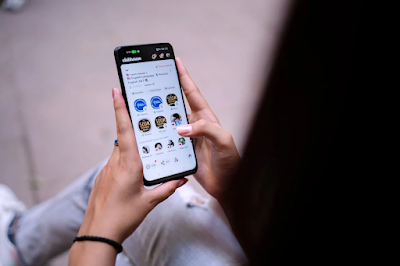
In coffee shops, at bus stops, in classrooms, and even at the dinner table, the scene is strikingly familiar: a group of teenagers sitting together, eyes cast downward, fingers dancing across their screens. Sometimes, one teen sits alone amid a crowd—physically present, but mentally adrift in the curated worlds behind a glowing display. This isn’t a dystopian vision of the future. It’s the new normal.
The Time Spent in Digital Worlds
According to a Gallup poll, more than half of U.S. teens spend at least four hours daily on social media. Over the course of a year, that adds up to nearly three months spent scrolling through endless feeds. When projected over the span of a lifetime, it’s not difficult to imagine that a quarter of a young person’s waking years could be consumed by digital spaces, designed for endless engagement rather than genuine fulfillment.
The Price of Constant Connection
This shift in how teens spend their time raises a sobering question: What are they giving up in exchange for their attention? Human connection—once spontaneous, messy, and vital—is increasingly mediated through emojis, likes, and curated snapshots. The kind of bonding that once occurred through shared experiences, awkward silences, and face-to-face vulnerability is now filtered, optimized, and asynchronous.
Ironically, in an age of constant connection, many teens report feeling more isolated than ever. Social media platforms, designed to keep users engaged, often deepen feelings of loneliness rather than alleviate them. But why is this the case?
The Cognitive and Neurological Impact on Teens
The implications of this digital shift are not just emotional but also cognitive and neurological. Adolescence is a critical period for brain development, particularly in areas related to empathy, self-regulation, and interpersonal skills. By replacing real-world interactions with passive consumption of algorithm-driven content, teens may risk narrowing the very faculties that help them develop a healthy sense of self and meaningful relationships.
i
image credits:https://www.pexels.com/pt-br/foto/mulher-segurando-holding-fixacao-13929360/
The Positive Side of Social Media
Of course, social media isn’t inherently negative. It has empowered marginalized voices, given young people a platform to express themselves creatively, and fostered communities that may not have been possible just a generation ago. Social media can also be a tool for education, activism, and social connection in ways that previous generations could not have imagined.
However, like any powerful tool, its impact depends on how it is used—and more importantly, how often. The question is no longer whether social media is good or bad, but whether young people are equipped to use it mindfully and intentionally.
The Need for Balance and Awareness
Parents, educators, and society at large need to ask themselves: Are we equipping our youth to use technology as a tool, or are we letting the tool use them?
The goal shouldn’t be to demonize screens or ban apps, but rather to foster awareness and balance. Conversations about healthy screen time, digital literacy, and the potential harms of excessive social media use should be part of the educational dialogue. Role models—both in the digital and real world—play a crucial part in shaping healthy habits.
Perhaps most importantly, young people need space—space for boredom, reflection, and unfiltered, authentic connection.
Conclusion: Beyond the Scroll
While scrolling through social media may fill the time, it is the genuine presence that fills the soul. Digital tools have the power to both enhance and detract from the human experience, and it is up to us—collectively, to help guide the next generation toward mindful, intentional use of these tools. In the end, it’s not about eliminating screens, but about creating space for real-world connections, self-awareness, and moments of pause.
Did you like this article? Share it with your friends and family so that more people know this Blog!
Also, if you enjoy the content on our Blog and want to support our work, please consider donating via pix (paulosilvano.juridico@gmail.com). Your contribution helps keep the blog running and bring you more relevant content! Any amount is greatly appreciated. 😀
Thank you for your support, and we'll see you in the next article!
By Zadock Zenas (kernel text)
Slovenia
Powered by AI



Comentários
Postar um comentário